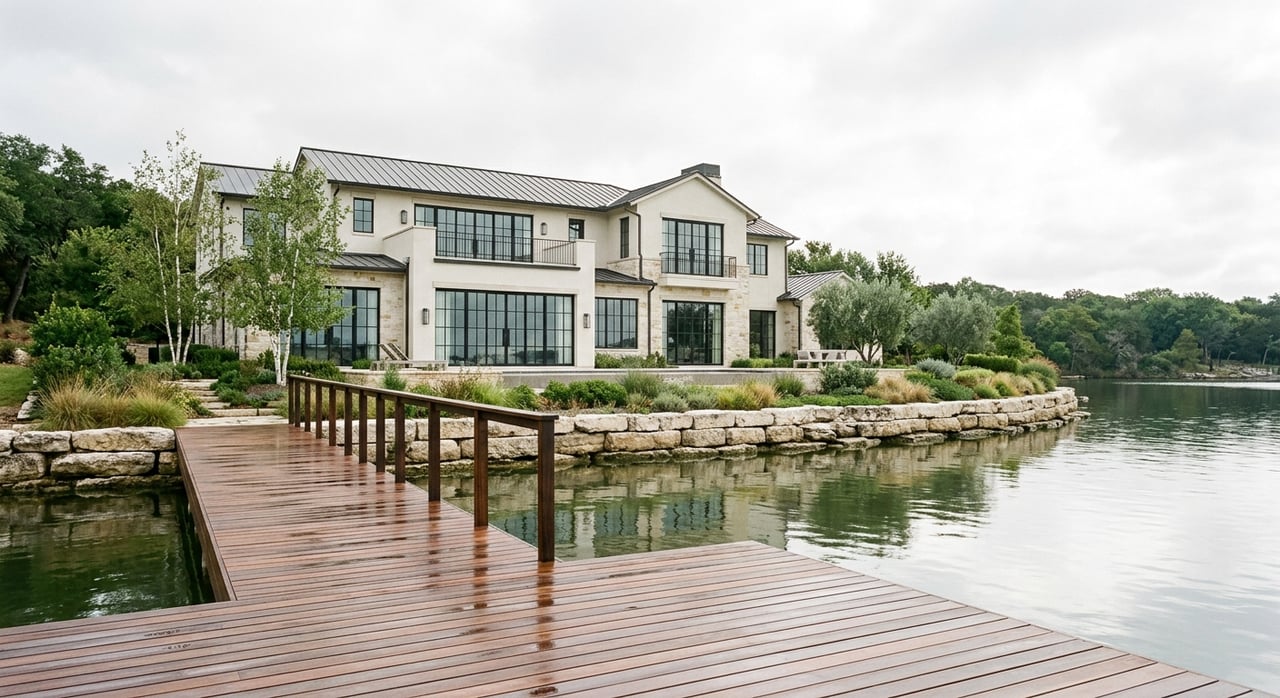
Buying on Geist Reservoir can feel exciting and a little overwhelming at the same time. You may be picturing sunset views, weekends on the water, and a dock just steps from your back door, but Geist ownership also comes with extra layers of rules and approvals. If you are considering a home on Geist, this guide will help you understand how docks, HOA documents, shoreline controls, and lake rules can affect your decision so you can buy with more confidence. Let’s dive in.
Why Geist Ownership Is Different
Geist Reservoir is more than a neighborhood amenity. The reservoir is described by the City of Fishers as a 1,900-acre lake, and public records show it spans Hamilton, Marion, and Hancock counties while serving as both a recreation area and a drinking-water resource. You can review the city’s overview of Geist Reservoir for a basic snapshot.
That matters because Geist is a regulated water body, not a private backyard lake. According to an Indiana rulemaking record, the Indiana DNR considers Geist, along with Morse and Eagle Creek, to be public waters, and DNR conservation officers patrol boating, fishing, and game rules on those waters. In practical terms, your use of the shoreline and water may be shaped by state rules, local ordinances, utility requirements, and HOA standards.
HOA Rules Shape the Ownership Experience
One of the biggest surprises for buyers is that HOA structure around Geist is highly neighborhood-specific. There is no single reservoir-wide HOA system that governs every community the same way. Instead, each neighborhood may have its own dues, approval process, dock access rules, and architectural controls.
For example, Windsong’s HOA information says the community has a volunteer board, quarterly dues, monthly board meetings, and a Development Control Committee that reviews exterior changes. In Geist Harbours, the property owners association also uses governing documents and approval processes for certain changes affecting homes and lots.
For you as a buyer, this means the neighborhood matters almost as much as the house. Two homes with similar waterfront views may come with very different rules about exterior work, shared amenities, and dock access.
HOA Documents to Review Before You Offer
Before you write an offer on a Geist home, ask to review the key community documents. These often explain what you can do now and what approvals you may need later.
Focus on these items:
- HOA declaration and covenants
- Rules and regulations
- Current assessment or dues schedule
- Architectural or development control guidelines
- Dock policy, if applicable
- Waiting-list procedures for community docks
- Any shoreline or improvement approval requirements
This step can help you avoid costly surprises after closing. It is especially important if you plan to update the exterior, add or change shoreline features, or expect immediate dock access.
Dock Access Is Not Always Simple
A listing that mentions Geist access does not always mean you will own a private dock. In some neighborhoods, dock use is handled at the community level rather than with each individual lot. That difference can affect both your day-to-day lifestyle and the long-term value you place on the property.
Windsong offers a clear example. According to its resident information, owners may lease community boat docks through Geist Marina Limited Partnership, and the board maintains both a dock-occupant list and a waiting list, with leases renewing annually. You can see that structure on the Windsong resident page.
Questions to Ask About Docks
If a home is marketed as waterfront, water-access, or dock-eligible, ask specific follow-up questions:
- Is the dock privately assigned, leased, or community-managed?
- Is there a current dock lease or waitlist?
- Does the dock transfer with the sale?
- Are there annual renewal requirements?
- What HOA or utility approvals apply?
- Are there restrictions on dock size, lifts, or boat storage?
The goal is to verify exactly what you are buying. A great water view and a legal, approved dock are not always the same thing.
Shoreline Control Often Extends Beyond the Lot
Another key due diligence issue on Geist is that the shoreline may not function like typical private property. In at least some communities, the rules of Citizens Energy Group are central to what owners can and cannot do along the water.
Geist Harbours’ Citizens Energy Group guidance states that Citizens owns the reservoir shoreline and an adjacent 20-foot easement. Citizens’ own Geist and Morse construction application requires drawings showing that easement for improvement requests.
This is a major point for buyers. If a seller added shoreline features years ago, you should not assume they were approved, grandfathered, or transferable without documentation.
Improvements That May Need Approval
Citizens’ application form covers a wide range of shoreline projects. These include:
- Docks
- Seawalls
- Walkways
- Patios
- Boathouses
- Retaining walls
- Dredging
- Other shoreline improvements
The same form also says applicants must include any required federal, state, or local permits or approvals. That means a shoreline feature can involve more than one layer of review.
Dock and Boathouse Details Matter
Some of Geist’s rules are highly specific, which is why waterfront due diligence should go beyond a standard home tour. Citizens’ application states that all docks must be held in place by anchors to shore, and it gives Citizens the right to inspect work for compliance with policy and approved plans. For boathouses, the form states that roofs must be flat.
These details may sound minor, but they matter when you are evaluating whether an existing improvement was built correctly or whether your future plans are realistic. If you hope to rework a dock, add a walkway, or improve shoreline access, your vision needs to line up with current requirements.
What to Confirm During Due Diligence
When buying on Geist, try to confirm:
- Whether the dock or shoreline improvement was approved
- Whether approvals are documented in writing
- Whether any permit or application remains relevant after transfer
- Whether the improvement matches current HOA and utility rules
- Whether the seawall, lift, or retaining wall shows signs of wear
This kind of document review can save you from inheriting a problem that is expensive to fix later.
Lake Rules Can Affect Daily Life
Even if the home is perfect, you will want to understand how lake operations affect your routine. Indiana adopted a 2025 rule creating multiple idle-speed zones on Geist Reservoir, along with a seasonal motorized-watercraft closure near Geist Waterfront Park and Beach Cove from 14 days before Memorial Day through October 1. The rule identifies several named areas, including water east of the Olio Road causeway, Devil’s Elbow, Mast Head Bay, Cocktail Cove, Juice Box Cove, and the dam spillway area. You can review the rule details in the Indiana Natural Resources Commission record.
Indiana boating materials define idle speed as the slowest safe speed that still maintains steerage while minimizing wake. That guidance is explained in the state’s boating reference materials. For buyers, the takeaway is simple: Geist is not a free-speed lake everywhere, and your favorite section of the reservoir may have different operating rules than another.
Why Wake and Speed Rules Matter to Buyers
These rules can shape how you use the water and how your lot experiences traffic. Depending on location, idle-speed areas may affect boating convenience, noise levels, and wave action near your shoreline.
If you are choosing between homes in different coves or near causeways, this can be a meaningful lifestyle factor. A property’s water location is about more than the view. It also affects how the lake feels on a busy weekend.
Noise and Local Enforcement Matter Too
Noise questions on Geist are often more local than buyers expect. Fishers’ ordinance fine schedule includes a noise-ordinance line item, and Fishers Connect includes a category for noise complaints. The city’s ordinance resources are available through the Fishers ordinance violation page.
For you, that means late-night music, dock gatherings, and boating-related noise may be shaped by both HOA rules and city enforcement. If quiet evenings or active social waterfront areas are important to you, it is worth discussing the immediate setting around a property before you buy.
Waterfront Inspections Need Extra Attention
A Geist home inspection should include the usual house systems, but waterfront properties often need closer attention outside the walls. Public guidance on shoreland properties notes that wave action, ice action, steep slopes, and runoff from impervious surfaces can increase erosion and sediment issues. Natural shoreline vegetation can also play an important role in shoreline stability, according to shoreland property guidance.
At Geist, the practical inspection focus often includes the shoreline itself. Docks, seawalls, riprap, retaining walls, drainage patterns, and signs of prior shoreline work can all affect future maintenance and cost.
Key Waterfront Inspection Points
When evaluating a Geist property, pay close attention to:
- Seawall condition
- Riprap or shoreline stabilization
- Retaining walls
- Dock anchoring and general dock condition
- Boat lift condition
- Drainage away from the home
- Erosion or slope concerns
- Signs of unpermitted or older shoreline work
Reservoir conditions can also change over time. Indiana DNR notes that reservoirs can be affected by water-level fluctuations, which is one reason shoreline structures deserve a careful look during your inspection period.
Weed and Vegetation Treatment Can Be Regulated
If you are thinking ahead about maintaining the water edge, be aware that aquatic vegetation treatment may require approval. Citizens Energy Group states that herbicide use on Geist requires pre-approval from Citizens, and DNR permits may also be needed for larger aquatic vegetation treatments. You can review those requirements on the Citizens herbicide guidance page.
This matters if you expect to manage weeds, algae, or shoreline growth yourself after closing. As with docks and seawalls, it is smart to confirm the process before you make plans.
A Smarter Way to Buy on Geist
Buying on Geist is not just about finding the right house. It is about understanding the relationship between the home, the neighborhood, the HOA, the shoreline, and the reservoir itself. When you look closely at dock rights, approval records, lake rules, and inspection items early in the process, you can make a much more informed decision.
That is where local guidance can make a real difference. If you are considering a move on or near Geist Reservoir, Haven Homes Real Estate Co. can help you think through the neighborhood fit, ownership details, and buying process with a more informed, less stressful approach.
FAQs
What should you review before buying a Geist Reservoir home?
- Review the HOA declaration, rules, dues, dock policies, approval requirements, and any available shoreline or improvement documentation before you write an offer.
Can a Geist Reservoir home include dock access without a private dock?
- Yes. Some neighborhoods handle docks through community leasing systems, waiting lists, or annual renewals rather than private lot ownership.
Do shoreline improvements on Geist Reservoir require approval?
- In some communities, yes. Citizens Energy Group materials show that docks, seawalls, walkways, patios, boathouses, retaining walls, dredging, and similar improvements may require applications and supporting documents.
Are there speed and wake restrictions on Geist Reservoir?
- Yes. Indiana adopted 2025 rules creating multiple idle-speed zones on Geist and a seasonal no-motorized area near Geist Waterfront Park and Beach Cove.
What inspection issues matter most for Geist waterfront homes?
- Buyers should pay close attention to seawalls, retaining walls, riprap, dock anchoring, lifts, drainage, erosion, and signs of prior shoreline work.
Can you treat weeds or aquatic vegetation along a Geist shoreline yourself?
- Not always. Citizens Energy Group says herbicide use on Geist requires pre-approval, and some larger treatments may also require DNR permits.