Thinking about listing your Butler-Tarkington home? It’s easy to peek at an online estimate and call it a day. But in a neighborhood with a wide mix of 1920s bungalows, larger period homes, and thoughtful infill, a one-size algorithm can miss real value. This guide explains how a human comparative market analysis (CMA) differs from online estimates, why it matters here, and what to ask for so you can price with confidence. Let’s dive in.
CMA vs online estimates: what’s different
A CMA is a human-curated analysis prepared by a local agent who studies MLS data, visits your home, and selects truly comparable sales. You get a pricing range and a recommended list strategy based on current demand, competition, and your home’s specific features.
Online estimates use automated valuation models. They combine public records, past sales, and listing data to guess value quickly. AVMs are helpful for a ballpark, but they often miss interior condition, layout quirks, and recent renovations that are common in older homes.
In short, a CMA reads your home the way buyers will. An AVM reads your house the way a spreadsheet would.
Why Butler-Tarkington needs a CMA
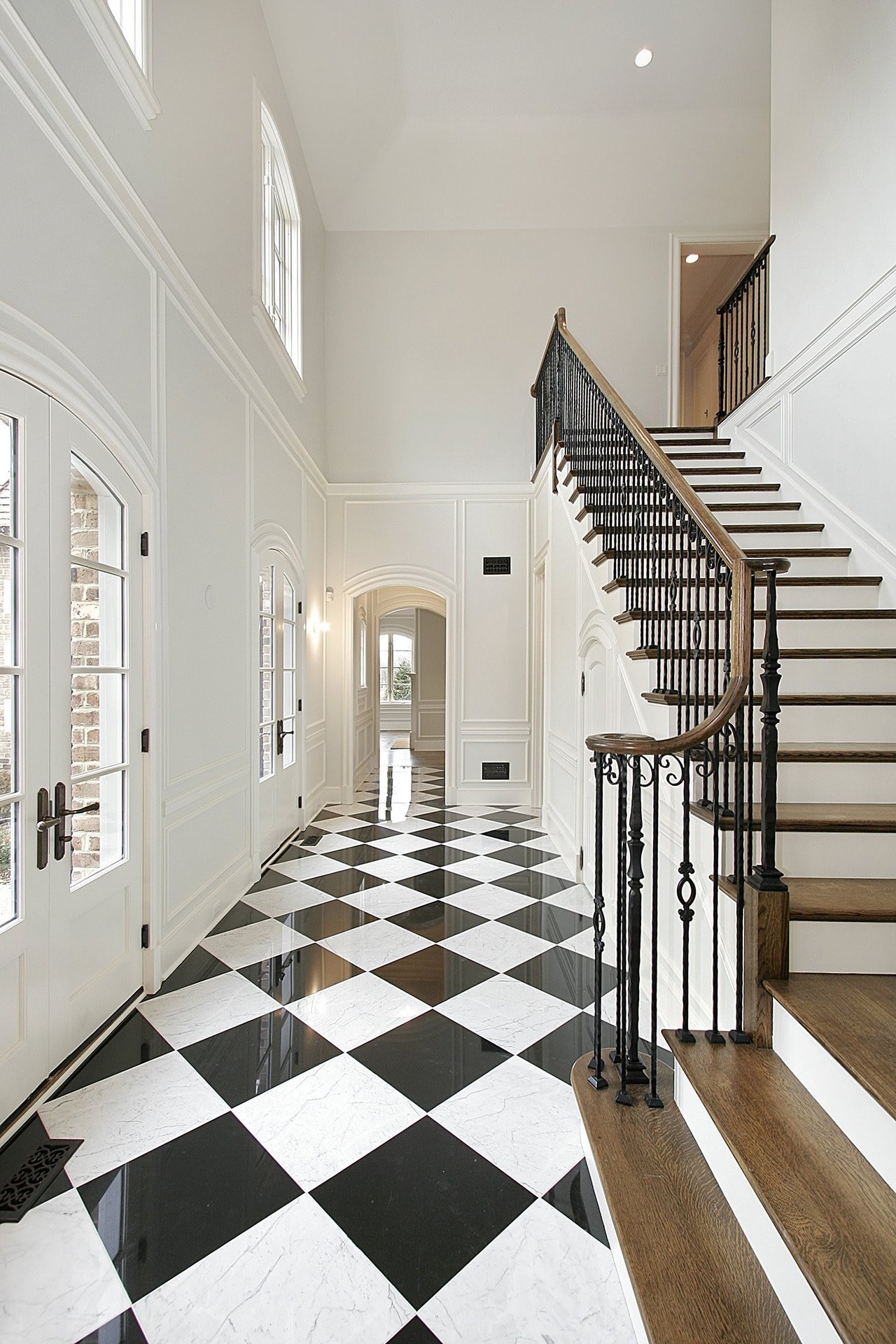
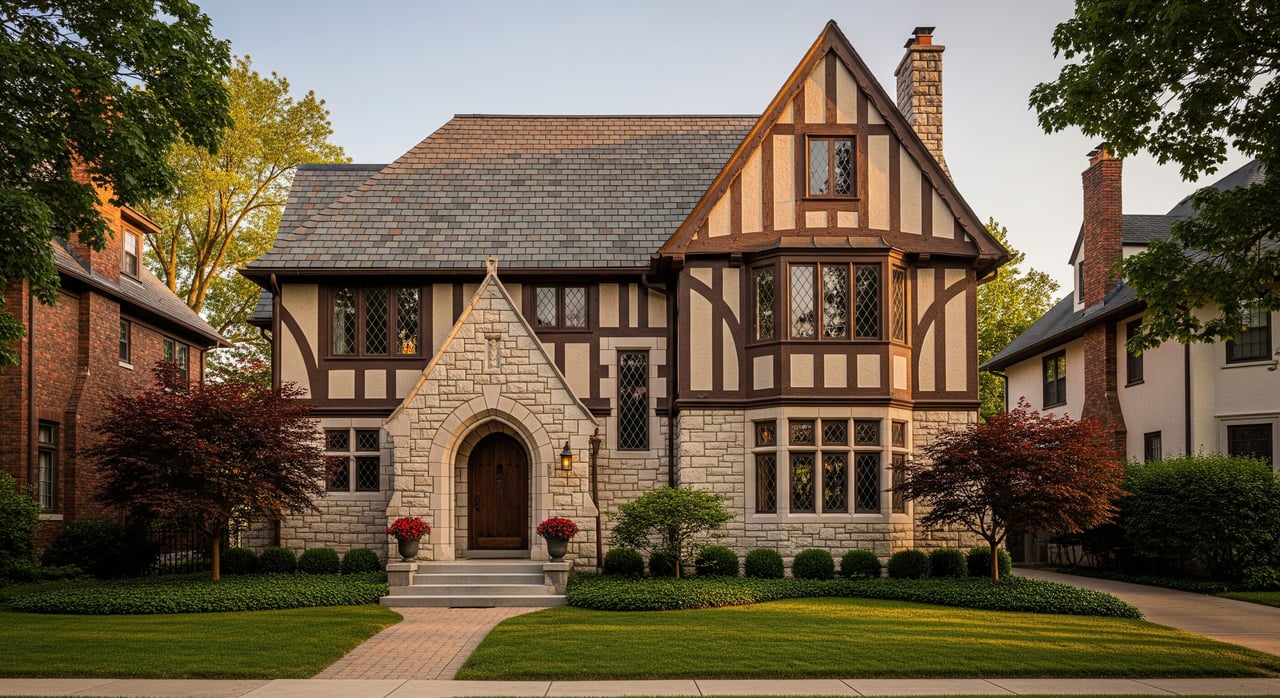
Butler-Tarkington’s housing stock varies widely by era, style, and condition. You can find restored period homes near bungalows that need major updates, plus different lot sizes and settings across short distances. In this kind of neighborhood, choosing the right comparables is everything.
- Architectural diversity means comps should match style and era, not just zip code.
- Older homes often have nonstandard layouts, historic materials, and unique craftsmanship that influence buyer appeal.
- Mechanical updates, additions, or careful restorations may not be reflected in public records right away.
A strong CMA accounts for these details and focuses on the micro-market, often the same block or immediate area, to capture real buyer behavior.
How agents build a strong CMA
Core data inputs
- Sold comparables from the last 3–12 months with similar size, beds, baths, lot type, and condition.
- Active and pending listings to show current competition and buyer demand.
- Neighborhood trends such as days on market and sale-to-list ratios.
- Tax assessments, prior sales, and parcel details from county records.
- Building-permit history to confirm additions, system updates, and remodels.
- Photos and floor plans to compare usable living area and layout.
Adjustment principles
- Adjust each comp for square footage, beds and baths, garage and basement type, lot size, finishes, and condition.
- Use paired-sale analysis to estimate the value of a specific feature by comparing similar sales with one key difference.
- Time-adjust for market movement and account for location nuances within the neighborhood.
- Note any financing or seller concessions that affected the contract price.
On-site insights that change value
- Interior condition and finishes, especially kitchens and baths.
- Structural or system signals such as roof age or visible foundation concerns.
- Historic details and restoration quality that attract niche buyers.
- Functional issues like awkward layouts, low ceilings, or limited storage.
- Curb appeal, drainage, and landscaping that influence first impressions.
Where AVMs miss the mark here
Automated models lean on structured data like square footage, beds, baths, and year built. In a diverse, older neighborhood, that leaves blind spots.
- Records can misstate square footage or miss finished areas.
- Interior condition and craftsmanship are hard to quantify.
- Recent renovations may not be recorded yet.
- Micro-market shifts near amenities or new projects can move prices faster than county-level data shows.
These gaps can lead AVMs to overvalue homes that need work or undervalue carefully restored properties.
Use online estimates wisely
You do not have to ignore AVMs. Use them as a starting point, not a pricing plan.
- Compare a few estimates to see the spread, then note which features they likely missed.
- Bring that comparison to your agent and ask how each discrepancy maps to condition, layout, or location.
- Let the CMA resolve the gaps with on-site observations and hyper-local comps.
Your seller checklist
Ask your agent for a CMA package that includes:
- Subject home profile: current photos, measured square footage or floor plan, tax info, permit history, and a list of recent improvements.
- Comparable sales: 3–6 solds of similar style and condition with photos, sale dates, sale prices, distance, and rationale for selection.
- Adjustments sheet: each comp with clear, itemized adjustments and the adjusted price.
- Market context: recent days on market, inventory trends, and price patterns for Butler-Tarkington and nearby micro-areas.
- Final pricing opinion: suggested list range, how timing may influence price, and the marketing strategy tied to that range.
What this means for your sale
In Butler-Tarkington, the right price is a strategy, not a guess. A human-led CMA translates your home’s condition, character, and layout into market value and connects that value to a plan for timing, presentation, and distribution. When you pair accurate pricing with thoughtful staging, professional photography, and strong exposure, you give buyers a clear reason to act.
If you’re considering a sale, let a tailored CMA lead the way and use online estimates as context. For a polished, concierge experience from pricing through presentation, connect with Haven Homes Real Estate Co. to request your free valuation and consultation.
FAQs
Why do online estimates differ from a CMA in Butler-Tarkington?
- AVMs rely on public data and algorithms that miss interior condition, unrecorded renovations, and unique architectural features, while a CMA adds on-site insight and local market context.
How close is a CMA to an appraisal?
- A CMA is an agent’s opinion of likely sale price based on market comparables; an appraisal follows standardized methods for lending. They often align, but timing, data, and adjustments can create differences.
How are CMA dollar adjustments decided?
- Agents use local paired-sale analysis to measure how buyers value features like new kitchens, finished basements, or garages and apply those dollar adjustments to recent comps.
Can an online estimate be as accurate as a CMA here?
- In uniform, newer subdivisions, AVMs can be close. In older, diverse neighborhoods like Butler-Tarkington, a human-prepared CMA is generally more reliable.
What should I prepare before a CMA walkthrough?
- A list of improvements and dates, maintenance records, access to permit documents, recent utility or system info, and notes on any known issues or neighborhood factors that influence value.